





Hari Subramanian
Principal AI Consultant
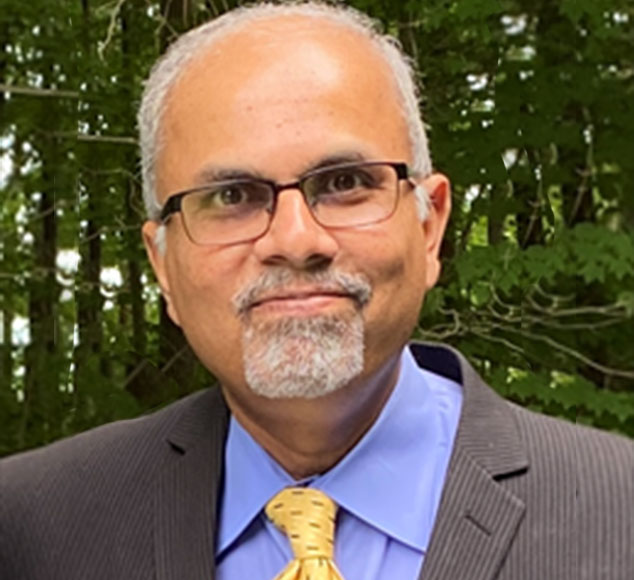
Hari Subramanian is a seasoned technology leader with over three decades of experience, most recently leading Engineering for the AI Center of Enablement at CIGNA, where he drove business growth and efficiency through scalable AI solutions and enterprise-wide AI governance platforms.
He has led data integration, data engineering, and cloud-based claims platforms at CIGNA, driving digital transformation and advanced analytics. He implemented open-source, cloud-based API and claims platforms capable of processing more than 12 billion transactions annually and brings deep technology consulting experience across Healthcare, Life Sciences, and Financial Services.
He has held senior leadership roles at Cognizant and DXC Technologies, aligning business strategy with technology for Global 500 clients, and has a proven track record of building global, high-performance teams while delivering large-scale transformation programs using agile and lean practices. He holds an Engineering degree from Anna University, certifications from Cornell in Executive Leadership and MIT in Generative AI, and serves as a Strategic Advisor to TrueFoundry and Athena Security Group.
Kalyan Tirunelveli
Co-Founder
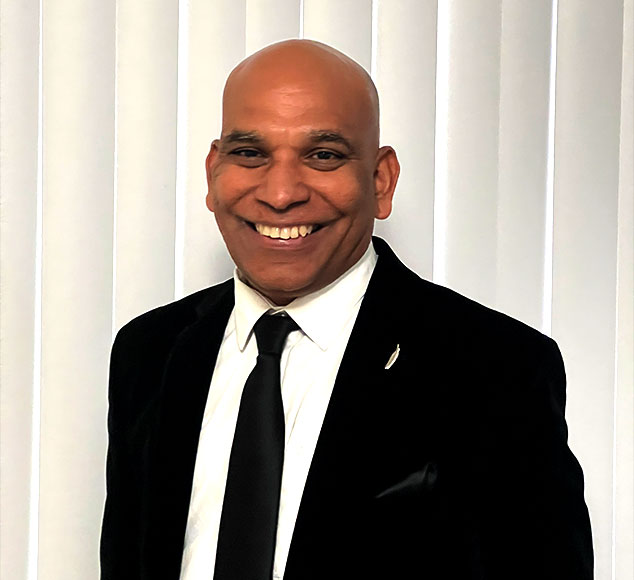
Kalyan “Kal” Tirunelveli is a seasoned technology executive with over 30 years of experience leading global IT strategy and operations at companies including Hewlett Packard, Travelocity, and American Airlines. He brings deep expertise in building scalable technology organizations and driving transformation across complex, global environments.
He has led global IT strategy, operations, and large-scale transformation initiatives across Fortune 500 enterprises, bringing extensive experience in enterprise infrastructure, applications, and operational excellence. He is known for aligning business objectives with technology strategy to deliver measurable outcomes and holds advanced degrees in Computer Science and Electronics Engineering, along with multiple industry-recognized IT certifications. Outside of his professional work, he is a certified tennis instructor and youth coach, reflecting a strong commitment to mentorship and community development.
Kal is the founder of Arokia IT LLC, based in Southlake, Texas, USA. Kal specializes in providing technical solutions for customer pain points. Arokia provides various end-to-end IT services like e-commerce websites, open source applications, mobile apps, and digital marketing. No detail is ever overlooked with Kal – his analytical nature allows him to focus on all strategy aspects and ensure any goals are met. By listening to others and putting himself in others’ shoes, Kal is able to bring a clear project vision to life. In his IT Management Career, Kalyan has managed technical infrastructure, data security architecture, and security policy for several clients, including ABN AMRO, American Airlines, Dollar, Sabre, Travelocity, US Airways, Amtrak, and London Underground Limited.
Ananyaa Gautham
Co-Founder
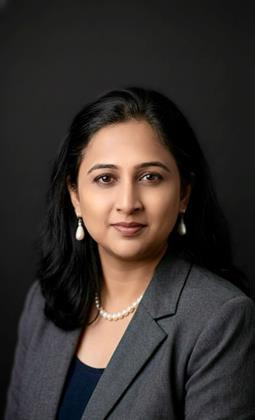
Ananyaa operates at the intersection of Analytics, Artificial Intelligence, and Strategic IT consulting, driving the technical vision and cross-industry excellence of the firm. She has successfully led high-impact initiatives across the industrial, manufacturing, healthcare, energy, construction, and legal sectors, with expertise centering on workflow optimization via AI enablement, product roadmaps, and digital marketing strategy. As a technical liaison, she excels at bridging the gap between cross-functional teams and stakeholders, overseeing end-to-end implementations to ensure that complex custom software and AI-enabled solutions deliver both innovation and measurable strategic outcomes.
Drawing on her foundational background as an RF Engineer and a certified Salesforce Administrator, she applies analytical design principles and a process-oriented lens to drive execution excellence. Her career includes developing communication systems at Nokia Siemens Networks and later working as an Independent Consultant, leading several engagements across diverse technology landscapes. Ananyaa holds a Master’s degree in Engineering. Outside her professional work, she is a classical music instructor and enjoys baking and creative arts.